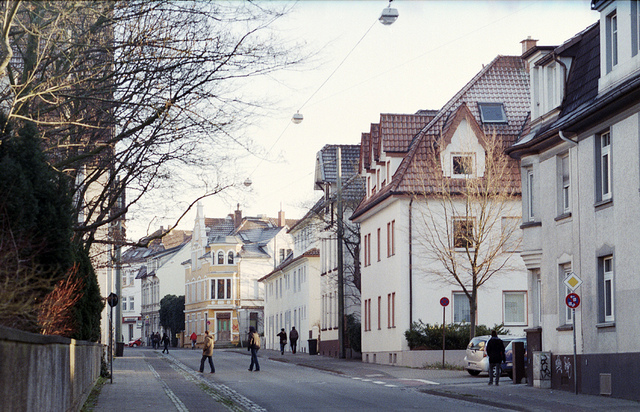
The eleven-month intensive German course finally came to an end today. We were in a small classroom with a gentle breeze coming in through the window. The teacher asked us to describe romantic paintings in German.
The eleven-month intensive German course finally came to an end today. We were in a small classroom with a gentle breeze coming in through the window. The teacher asked us to describe romantic paintings in German.
Tomorrow afternoon the landlord will bring new tenants to view the house. Our plan is to leave Germany for Guatemala at the beginning of June. We’ve lived here for almost a year and it’s hard to say goodbye.

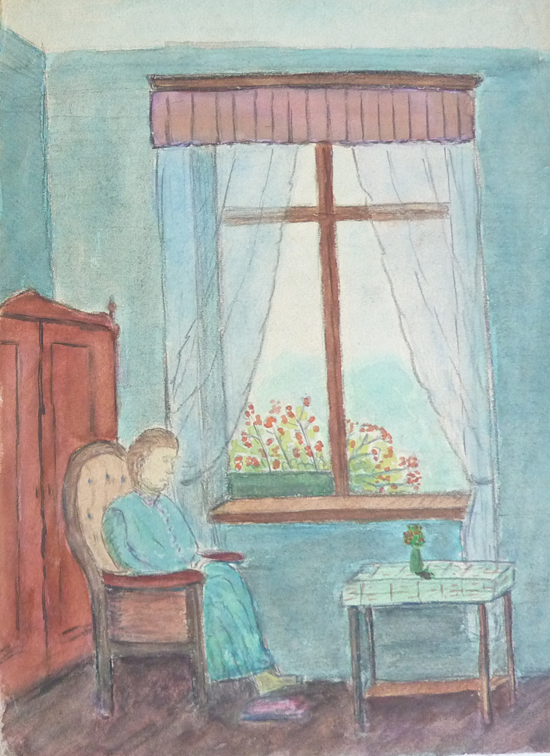
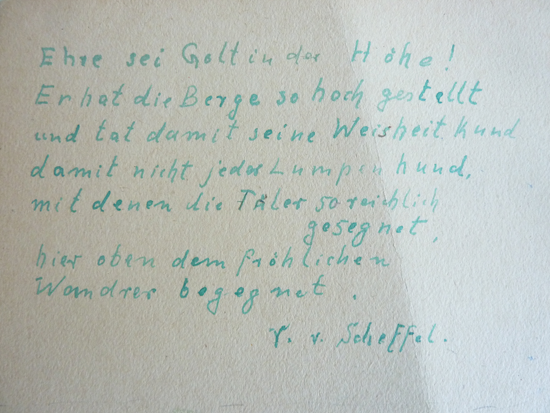
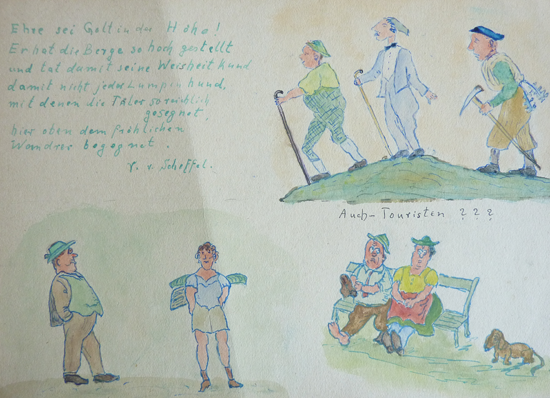

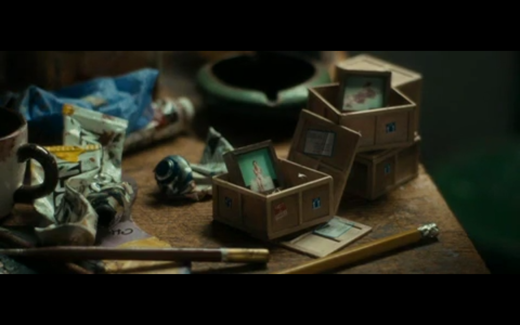
Aura’s mother, Siri, is a photographer who takes pictures of miniature objects, just like Adele Lack, played by Catherine Keener in Synecdoche, New York, who makes tiny things.

Continuing with the darkroom class at the Volkshochschule. The Spanish class next door is still going on loudly.
There are only five of us in the darkroom, which gives us a lot of freedom to develop our negatives. I still haven’t mastered putting the film in the canister.
Was auf dieser Welt, welcher Roman hätte die epische Breite eines Fotoalbums? Der liebe Gott, der uns als fleißiger Amateur jeden Sonntag von oben herab, also schrecklich verkürzt fotografiert undmehr oder weniger gut belichtet in sein Album klebt, möge mich sicher und jeden noch so genußvollen, doch unschicklich langen Aufenthalt verhindernd, durch dieses mein Album leiten und Oskars Liebe zum Labyrinthischen nicht nähren; ich möchte doch allzu gerne den Fotos die Originale nachliefern.
Die Blechtrommel, 1959, Günter Grass
1926年5月,茨維塔耶娃在給巴斯特納克的信裡寫下:童年是一個一切就那樣留在了那裡的地方。
《三詩人書》,劉文飛翻譯,傾向出版社,頁116


The strawberries from your parents’ garden at the end of April.
The peppers and tomatoes from our balcony in July.
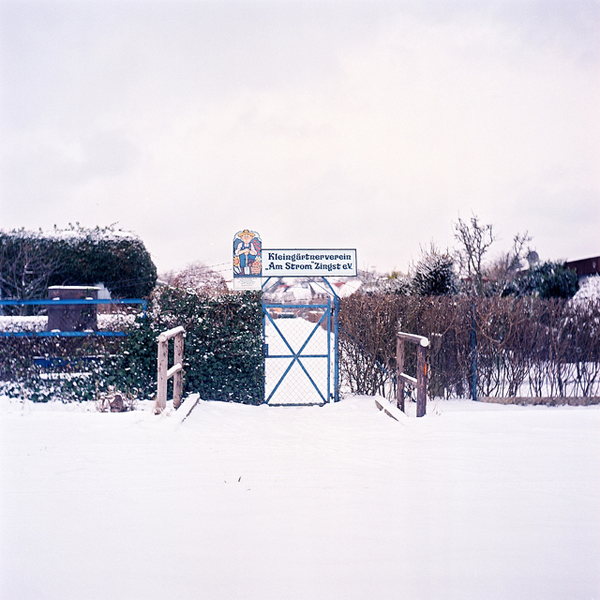
In the small coastal town where your parents now live, near the lagoon, there are the garden colonies. I have not yet seen the flowers bloom and the fruit bear in the summer, but I know that the gardens are quiet in the snowy winter.
I’D SEEN A photograph of Abuelita’s dead sister. I’d come upon it in her family albums, pasted in between portraits of my be-whiskered ancestors in their starched collars and fancy top hats. Her little sister had been laid out in white lace on her funeral bier with garlands of roses cascading about her, a cluster of lilies in her hair. In the photo, her white shoes point like a dancer’s, her arms lie peacefully across her chest, her curls are combed down on her brow, her eyes stare out, wide open. My Great-Grandfather Cisneros stands behind the body, and, above his black cravat, his face is long and gaunt. His eyes seem to be sliding down his cheeks like stones in a mountain huayco. His oldest daughter, my grandmother, stands beside him in a veil of black lace. Her eyes are dry but haunted. Although she is seven, her little face appears even smaller than her sister’s. Her sister cannot be two.
Marie Arana, American Chica, page 204